Discover the Power of the VR6 Engine: A Comprehensive Overview
The VR6 engine sticks out in the automotive world because of its distinctive layout and remarkable capabilities. With a small form and a narrow angle, it properly incorporates the benefits of V and inline setups. Its power array and advanced modern technologies add to both effectiveness and performance. As the discussion unravels, the different elements of the VR6 will reveal why it continues to catch the passion of enthusiasts and manufacturers alike.
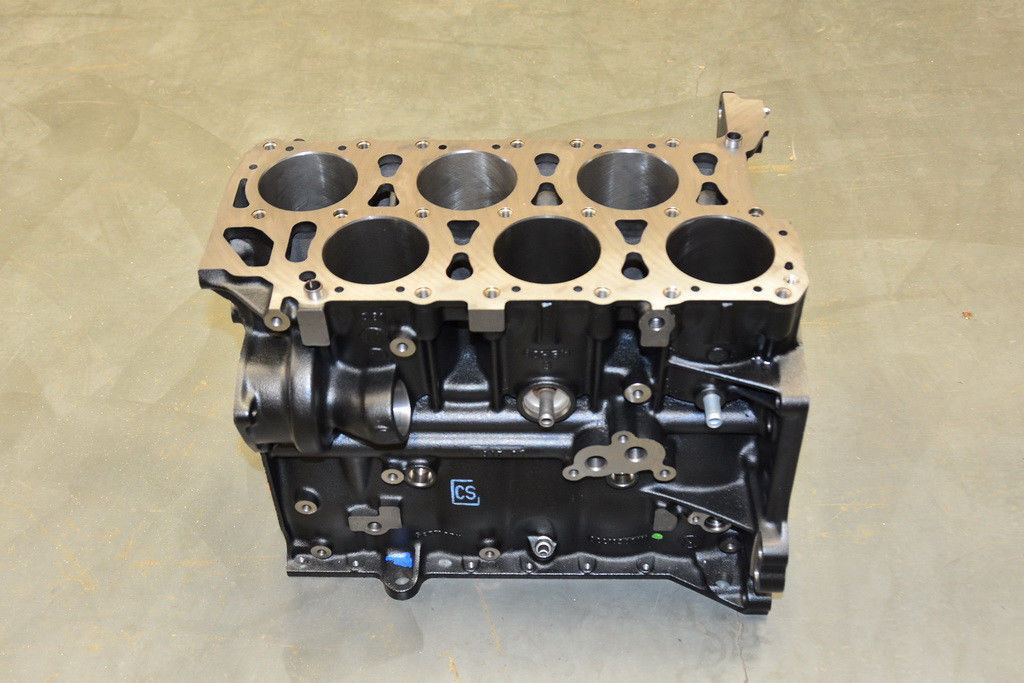
The Distinct Layout of the VR6 Engine
The VR6 engine is renowned for its unique configuration, which combines the benefits of both V and inline engines. This layout includes a slim angle in between the cylinder banks, generally around 15 degrees, enabling for a more portable engine design. Unlike traditional V engines, the VR6 keeps a single cyndrical tube head, simplifying upkeep and reducing weight. This one-of-a-kind plan enables a smooth operation, creating a well balanced power delivery that is particular of inline engines. The VR6's style offers flexibility in lorry layout, fitting right into tighter spaces than standard V engines, while still using excellent efficiency. Because of this, the VR6 has actually acquired popularity amongst auto enthusiasts and manufacturers alike, praised for its ingenious blend of performance and power.
Secret Features and Specs
Amongst the standout characteristics of the VR6 engine are its excellent requirements and functions that add to its efficiency and efficiency. The engine usually features a portable layout, housing 6 cylinders in a narrow-angle V configuration, enabling for a shorter total size compared to typical inline or V engines. With displacements varying from 2.8 to 3.6 litres, the VR6 engine uses a distinct firing order that improves level of smoothness and balance. It commonly includes advanced technologies, such as variable valve timing and straight fuel injection, to maximize gas performance and minimize discharges. Furthermore, the VR6 is known for its durable building and construction, which incorporates light-weight products with high sturdiness, making certain integrity throughout various driving problems while maintaining a positive power-to-weight ratio.
Performance Metrics and Power Output
Efficiency metrics of the VR6 engine showcase its capability to deliver remarkable power results while keeping efficiency. Commonly configured with a displacement ranging from 2.8 to 3.6 liters, the VR6 engine can generate between 150 to over 300 horse power, relying on the particular variation and adjusting. Its one-of-a-kind 15-degree V-angle permits for compact design without sacrificing power, resulting in a receptive and smooth driving experience. Torque figures also highlight the engine's efficiency, frequently going beyond 200 lb-ft, supplying durable velocity across various RPMs. Moreover, the VR6's engineering allows it to achieve good fuel economy, making it a versatile selection for both performance fanatics and daily vehicle drivers. Overall, the VR6 engine succeeds in supplying an unified mix of power, efficiency, and efficiency.
Engine Variations and Their Applications
The VR6 engine family members includes numerous versions, each designed to deal with specific performance requirements and vehicle types. These engines show flexibility across a variety of applications, from stylish coupes to useful cars. Comprehending the compatibility of these variants with various vehicles highlights their importance in the vehicle landscape.

VR6 Engine Variants
VR6 engine variations showcase an one-of-a-kind blend of design innovation and convenience, making them prominent across different vehicle applications. The main arrangements include the 2.8 L and 3.2 L engines, each created to fulfill various efficiency and effectiveness requirements. The 2.8 L variant, frequently found in designs like the Volkswagen Golf and Passat, is recognized for its equilibrium of power and fuel economy. In contrast, the 3.2 L variant, made use of in lorries such as the Audi TT and Volkswagen R32, offers improved efficiency attributes. Additionally, these engines can be equipped with various tuning alternatives, further expanding their adaptability. In general, VR6 variants accommodate a diverse array of vehicles, making sure an all-round driving experience for lovers and day-to-day drivers alike.
Efficiency Applications

Car Compatibility
Numerous vehicle versions have successfully incorporated the VR6 engine, showcasing its compatibility throughout various vehicle platforms. Developed by Volkswagen, the VR6 engine has actually found applications in different versions, including the Volkswagen Golf, Passat, and the Audi A3. These lorries take advantage of the engine's compact style, which permits efficient packaging in smaller sized engine bays while supplying durable efficiency. Furthermore, the VR6 has been used in the Volkswagen Touareg and the Audi Q7, where it supplies an equilibrium of power and performance for larger SUVs. With variations such as the 2.8 L and 3.6 L, the VR6 engine has actually shown convenience, catering to both performance-oriented and everyday driving demands throughout a broad range of lorries.
The VR6's Role in Popular Lorry Versions
The VR6 engine has actually made a substantial influence throughout different renowned Volkswagen versions, showcasing its special style and performance. Furthermore, its application in Audi automobiles highlights the engine's flexibility and capacity in delivering power. The VR6's presence in motorsport more strengthens its track record as a reliable and high-performing engine choice.
Iconic Volkswagen Versions
Volkswagen's VR6 engine has come to be associated with a number of renowned versions that have actually left a long lasting impact on automotive culture. The engine made its debut in the 1991 Volkswagen Corrado, charming enthusiasts with its special style and outstanding performance. Following this, it powered the beloved Volkswagen Golf and the elegant Passat, both of which got a track record for their mix of power and functionality. The VR6 also discovered its means right into the flashy Volkswagen Jetta, improving its charm among performance-oriented drivers. These designs not only showcased the adaptability of the VR6 engine however additionally strengthened Volkswagen's placement in the market as a maker of interesting and vibrant automobiles, even more forming the brand's tradition in the vehicle globe.
Efficiency in Audi Cars
Although largely connected with Volkswagen, the VR6 engine has additionally played a significant role in improving the performance of various Audi versions. Presented in the early 1990s, the VR6 powered models such as the Audi A4 and A6, providing a mix of power and smooth procedure. The engine's distinct design, with its portable dimension and V-shaped about his arrangement, permitted Audi designers to enhance both efficiency and taking care of characteristics. In the A4, the VR6 provided an exciting driving experience, defined by responsive velocity and durable torque. The A6 benefited from the engine's equilibrium of power and improvement, appealing to lovers seeking a spirited yet comfy trip. Overall, the VR6 has added to Audi's online reputation for performance-oriented deluxe cars.
Legacy in Motorsport
While many engines have actually made their mark in motorsport, the VR6 stands apart for its distinct mix of power and small style, making it a preferred amongst different competing lovers. This engine's distinct configuration has been leveraged in several renowned versions, such as the Volkswagen Golf and the Audi TT. Its flexibility permits outstanding handling and performance, making it appropriate for both road and track applications. In motorsport, the VR6 has actually contended successfully in numerous groups, including rally and touring car competitors. Its ability to deliver high torque at reduced RPMs improves acceleration, while the compact dimension permits excellent weight distribution. This blend of characteristics has actually strengthened the VR6's legacy as a prominent gamer in automotive auto racing background.
Benefits and Drawbacks of the VR6 Engine
The VR6 engine uses an one-of-a-kind mix of advantages and drawbacks that merit cautious consideration. One of its primary advantages is its compact design, enabling a smaller sized engine bay while still providing outstanding power and torque. This setup adds to better managing dynamics in lorries. Additionally, the VR6's smooth procedure enhances driving comfort. There are noteworthy disadvantages, consisting of complex design and potential maintenance challenges. The distinct design can make complex fixings, leading to higher service expenses. Some fanatics say that the engine's fuel efficiency may not be as affordable as various other contemporary alternatives. Eventually, the VR6 engine presents an unique selection that balances performance and usefulness against potential drawbacks pertaining to upkeep and efficiency.
The Future of the VR6 and Automotive Technology
As automotive technology remains to develop, like it the future of the VR6 engine remains a topic of passion amongst lovers and suppliers alike. With growing needs for effectiveness and sustainability, the VR6 encounters obstacles in a period progressively concentrated on electrification. Its portable design and unique configuration might still offer advantages in crossbreed applications, keeping importance in an affordable market. Producers are exploring methods to incorporate advanced innovations, such as turbocharging and straight shot, to enhance performance while lowering emissions. Furthermore, the potential for the VR6 to exist side-by-side with electric powertrains could lead to cutting-edge crossbreed systems. Ultimately, the future of the VR6 will certainly depend on its ability to adjust to the altering landscape of auto design and customer preferences.
Frequently Asked Concerns
Exactly how Does the VR6 Engine Contrast to Inline and V Engines?
The VR6 engine supplies a portable layout with a distinct angle between cyndrical tubes, giving an equilibrium of power and level of smoothness (vr6). Compared to inline and V engines, it incorporates advantages of both while minimizing space demands
What Upkeep Is Required for a VR6 Engine?
Regular maintenance for a VR6 engine consists of oil modifications, timing belt replacements, coolant checks, and air filter assessments. Guaranteeing proper fuel quality and surveillance for leakages also add to the engine's long life and performance.
Are There Typical VR6 Engine Issues to Be Knowledgeable about?
Usual VR6 engine issues include oil leakages, timing chain concerns, and ignition coil failings. Additionally, getting too hot and too much oil usage are worries that proprietors need to monitor to maintain peak efficiency and durability of the engine.
Can I Switch a VR6 Engine Into Various Other Cars?
Yes, a VR6 engine can be exchanged right into numerous automobiles, specifically suitable versions from Volkswagen and Audi (vr6). Nonetheless, alterations might be required for correct fitment, circuitry, and assimilation with other vehicle systems for peak efficiency
What Is the Expense of a VR6 Engine Replacement?
The price of a VR6 engine replacement normally ranges from $2,500 to $5,000, depending upon elements like labor, area, and whether the engine is brand-new or utilized, affecting the overall expenditure considerably.
The VR6 engine is renowned for its unique read here configuration, which integrates the advantages of both V and inline engines. The engine generally includes a small design, housing 6 cyndrical tubes in a narrow-angle V arrangement, enabling for a much shorter overall size compared to typical inline or V engines. Performance metrics of the VR6 engine display its capacity to supply excellent power outcomes while preserving efficiency. The VR6 engine family consists of different versions, each made to cater to certain performance requirements and car kinds. These cars benefit from the engine's compact style, which enables for efficient product packaging in smaller engine bays while providing robust performance.
Comments on “How the vr6 engine offers efficiency for all car types”